NOTES01
Sustainable packaging is not only about using recycled material; it means not using more material than the product needs for protection, and making sure the pack can easily enter recycling after use. For corrugated cartons, the work usually starts by reviewing size, construction and shipping decisions before looking for a new material.
The steps below apply to standard A-box cartons and die-cut boxes alike. They share one goal: the most suitable pack that gets the product there undamaged. A product damaged in transit means both the product and its packaging have to be made and shipped a second time.
Why is the right size the first step in sustainable packaging?
Size comes first because a carton that is too big for the product needs more board and extra void fill to close the gap. An oversized carton also takes up more room in vehicles and warehouses. Inside dimensions tight enough to stop movement but loose enough not to crush the product reduce both material and transport volume.
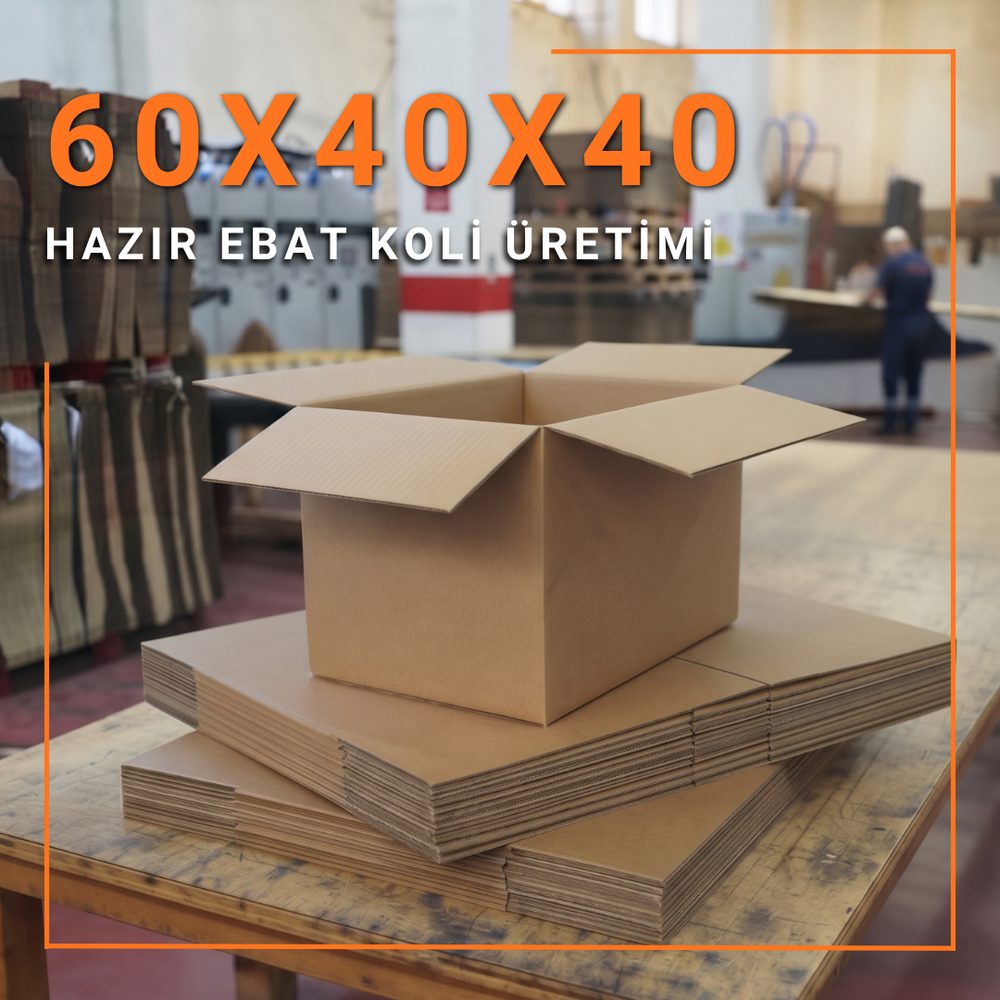
FEFCO, the European Federation of Corrugated Board Manufacturers, also points out that corrugated packaging can be shaped to fit the product it protects, and that making better use of shelf, storage and truck space cuts unnecessary transport. Our guide to choosing the right box covers measuring in detail. If your products fit a 60x40x40 cm carton without gaps, a stocked ready-size carton is an option; if they don't, a made-to-size carton is a better answer than filling the gap.
Beyond size, a few common habits also waste resources:
| Decision | Common mistake | More efficient option |
|---|---|---|
| Carton size | Using the same large carton for every product | Building a small family of sizes that groups similar products |
| Flute | Choosing a heavier board "just to be safe" | Choosing by load and shipping conditions, then testing a sample |
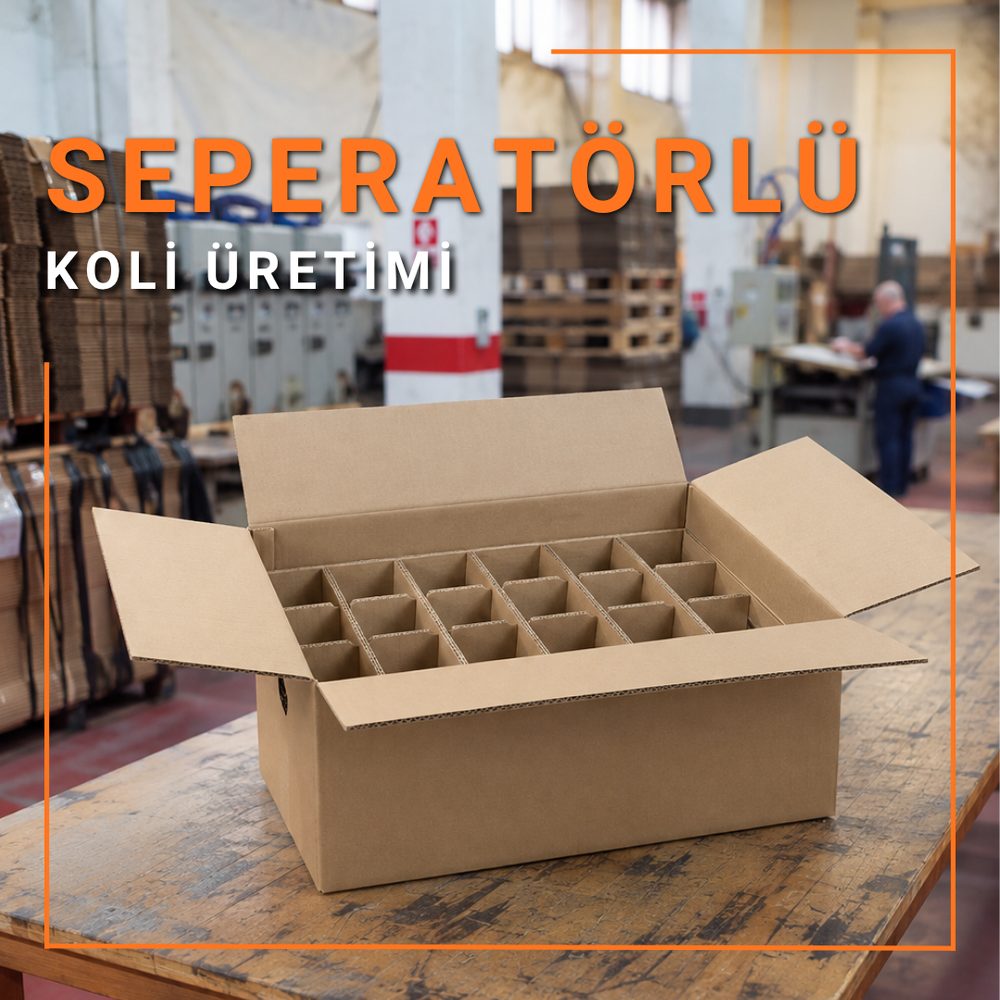
| Inner protection | Filling the gap with loose fill | Using a divider or die-cut insert that holds the product |
| Closure | Wrapping the carton in tape again and again | Setting the amount of tape that gives a secure closure |
How does flute choice affect resource use?
Resource use balances out when the flute is chosen for the load the carton will carry. A heavier board than needed uses extra material; a lighter one than needed can lead to damage, repacking and a second shipment. The goal is not the thickest carton but the construction that carries the product safely.
Monart produces with E, B, C, EB and BC flute corrugated board. Our comparison of corrugated flute types explains where each one fits. Rather than deciding on paper, the most reliable route is to test a sample packed with the real product under your actual stacking and shipping conditions.
Which carton design choices make recycling easier?
Recycling is easiest when the end user can separate the pack without effort. Staying with paper-based materials where possible, reducing non-paper components and making anything that must be removed easy to take off all help the carton end up in paper collection. These choices are simplest to apply at the design stage.
- Use corrugated dividers or die-cut inserts to hold the product where you can.
- Choose non-paper layers such as plastic windows or lamination only when they are really needed.
- Keep tape and labels to what the closure actually requires.
- Consider a short note on the carton asking the user to flatten it and put it with paper waste.
Citing Eurostat, FEFCO reports a 2022 recycling rate of 82.5% for paper and board packaging, and says new corrugated packaging contains 88% recycled fibre on average. These are figures published by a European industry federation and should not be assumed to describe collection and recycling conditions in other markets.
Which packaging regulation should EU exporters follow?
Companies supplying the European Union market should follow the Packaging and Packaging Waste Regulation (PPWR, Regulation (EU) 2025/40). It entered into force on 11 February 2025 and has applied since 12 August 2026. It aims to reduce packaging and packaging waste and to make all packaging on the EU market recyclable in an economically viable way by 2030.
According to the European Commission, the regulation sets rules across the whole packaging life cycle, covering eco-design, recycled content, reuse and waste prevention. Because obligations vary by packaging type and product, exporters should confirm the requirements with their buyers and against the current official text.
What should you watch for when making environmental claims on packaging?
Environmental claims on packaging or in marketing should be documented and verifiable. Instead of broad phrases like "eco-friendly", state clearly what the carton is made of and how it should be separated after use. That guides the customer properly and lowers the risk of a misleading claim.
If you quote a percentage or a certificate, also state which product, which period and which source it refers to. Monart's role in this process is to make the carton to the customer's dimensions, weight and shipping conditions and to confirm size and construction on a sample before production; describing the packaging is easier and safer when it is based on those concrete facts.
Frequently asked questions
Can corrugated cartons be recycled?
Corrugated cartons can be collected and recycled as paper waste; FEFCO notes that used corrugated packaging has been recycled effectively for decades. To make recycling easier, flatten the carton, put it with paper waste and remove excess tape and non-paper parts such as plastic windows where possible.
Is a smaller carton always more sustainable?
No. A carton that squeezes the product or leaves no room for protection can lead to damage in transit, and a damaged product means remaking, repacking and a second shipment. The goal is not the smallest carton but the right inside dimensions that hold the product, inner protection included, without movement.
Does choosing a thinner flute save material?
A thinner flute can help use less material if it still gives enough protection for the product and the shipping conditions. If it falls short, damage and reshipping waste more than the material saved. That is why the flute should be chosen for load, stacking and shipping conditions and tested on a sample.
How does Monart help use resources wisely in packaging?
Monart makes cartons and boxes to the customer's dimensions, weight and shipping conditions, and can suggest a construction suited to the load from E, B, C, EB and BC flute options. Size and structure can be confirmed on a sample before production, which helps avoid cartons that are oversized or too weak.