NOTES01
How do you choose the right box for your product? Start with three facts: the product's dimensions, the weight of a packed box and the journey the box will make; material, flute and box style all follow from those. Choosing on price alone often ends in an over-built carton or a crushed parcel. Most shipping needs are covered by standard A box cartons, but no single grade suits every product.
Below we cover what to know before asking for a quote, how A box cartons and die-cut boxes differ, and how shipping and storage change the decision. Since 2002, Monart Packaging has made every order at its own plant in Tuzla, Istanbul, to the customer's dimensions, weight and shipping conditions.
What information do you need before choosing a box?
Five facts drive the choice of box: the product's exact dimensions, the total weight of a filled box, the order quantity, the shipping method and how the boxes will be stored. Without them, any quote is an educated guess. The clearer they are, the more precisely both cost and strength can be matched to the product.
Have these answers ready:
- Size: the product's length, width and height, and whether one or several items go into each box.
- Weight: the approximate weight of a filled box, and whether the contents can shift inside it.
- Shipping: courier, freight depot, palletised transport or export.
- Storage: how many boxes high they will be stacked, and whether the warehouse is humid.
- Appearance: whether printing is needed, and whether the box will be seen on a shelf or only in a warehouse.
How do you work out the right carton size?
Carton size is set by the box's internal dimensions, not by the outside of the product alone. Add any protective packing and a small margin to the product's length, width and height. Too tight and the product is hard to insert and the flaps bulge; too loose and it moves around and takes knocks.
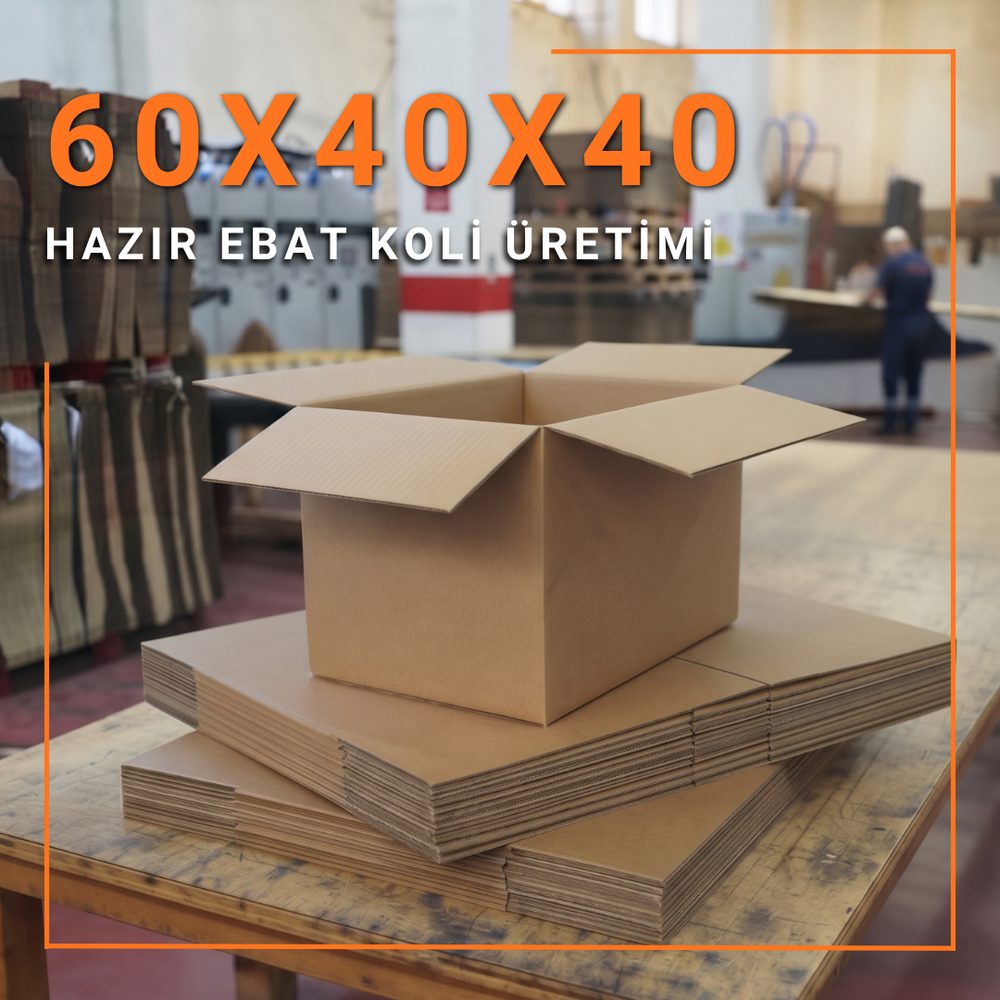
The board's own thickness counts as well: of two cartons with the same internal size, the one made from thicker board is larger on the outside, which affects pallet layout and volumetric courier charges. If a standard size works for you, our stocked 60x40x40 cm ready-size cartons are a quick place to start; if not, the size is drawn up around your product.
Should you choose an A box carton or a die-cut box?
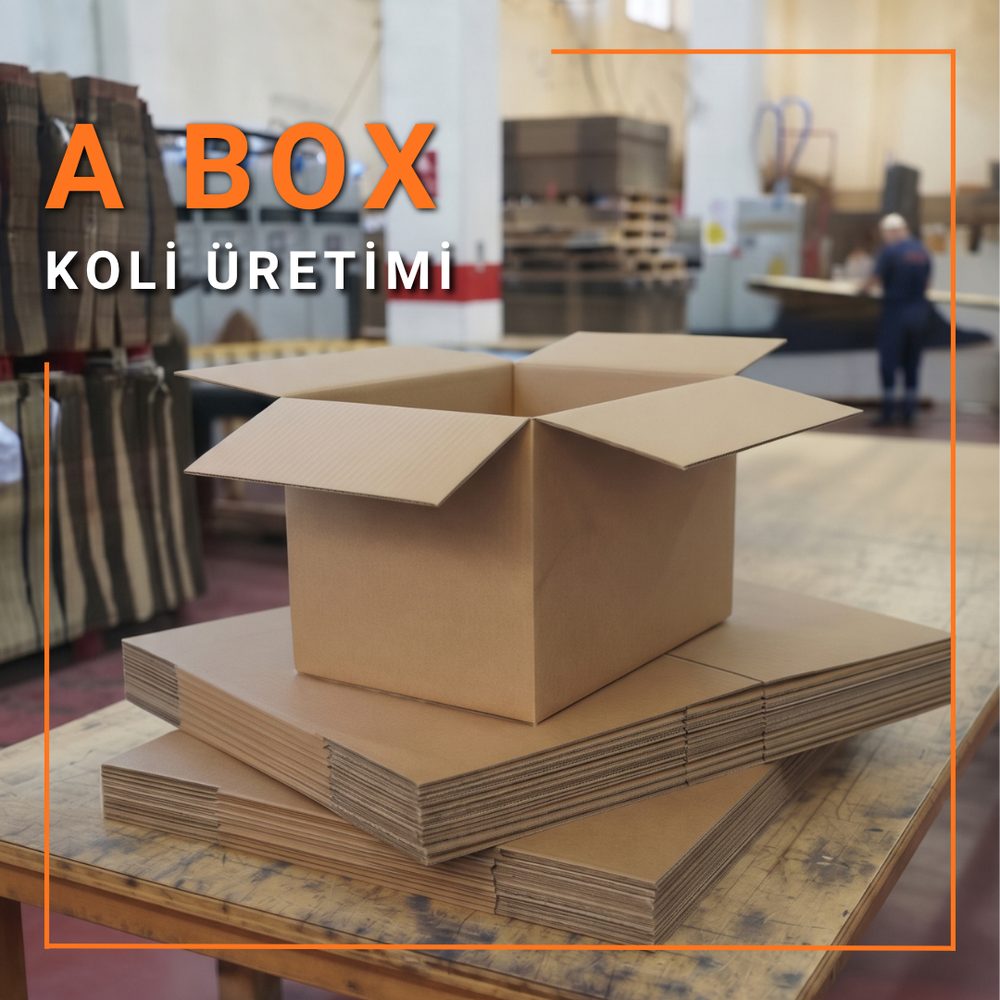
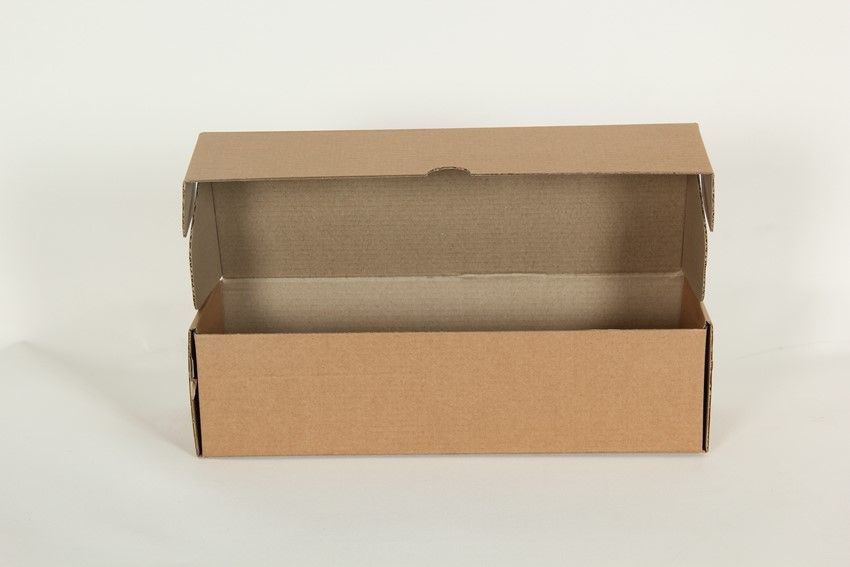
A box cartons are usually the better fit for heavy, bulky or high-volume shipments, while die-cut boxes suit products with an unusual shape or where presentation matters. An A box is a simple, economical four-flap carton. A die-cut box is cut with a dedicated die, which makes room for locking lids, windows, handles or internal dividers.
The international box code published by FEFCO, the European federation of corrugated board manufacturers, numbers each construction so maker and buyer mean the same design. According to FEFCO, most slotted cartons of this kind are made on lines that print, slot, fold and glue in a single pass, while more elaborate styles go through a separate die-cutting process.
| Feature | A box carton | Die-cut box |
|---|---|---|
| Construction | Four-flap, standard form | Die-cut form shaped to the product |
| Typical use | Shipping, storage, freight and courier | E-commerce, retail, gifts and special items |
| Closure | Tape or stitching | Locking lid, tuck-in tab or gluing |
| Extra features | Limited | Windows, handles, dividers possible |
| Tooling | Usually none | Product-specific cutting die |
How does product weight affect the choice of flute?
Light products where print quality matters suit finer flutes, while heavy products or long journeys call for a thicker single-wall or a double-wall board. The heavier the product, the taller the stack and the longer the trip, the more strength the board needs. That makes flute choice the second key decision, right after size.
Monart works with E, B, C, EB and BC flute corrugated board. Their differences in thickness, print surface and strength are covered in our guide to corrugated flute types. The rule of thumb is simple: board heavier than the job needs adds cost and volume, and board that is too light leads to damage and returns.
How do shipping and storage conditions change the choice?
The same product needs a different box when it travels alone by courier than when it moves in bulk on a pallet. By courier a box faces drops, vibration and knocks alone; on a pallet the main load is the weight of the boxes stacked above it. Humid warehouses and long storage periods also weaken corrugated board.
Online orders need a box that protects the product and still opens easily, which is where die-cut designs such as an e-commerce box come in. For freight and palletised shipments, a flute and grade that can carry the stacking height matter most. If the product sits loose inside the box, edge protectors, dividers or foam keep it from moving.
Why ask for a sample before placing an order?
A sample shows, before mass production starts, whether the size on paper actually works with the real product. Whether the item goes in easily, whether the flaps close cleanly and whether a full box flexes when lifted can only be judged with a box in hand. That check removes the risk of a wrong size across thousands of units.
Monart can prepare samples to confirm size and structure. Printed boxes can be produced with 4- and 5-colour flexo or offset printing, and packaging that comes into contact with food is made under an ISO 22000:2018 certified process. Share your product's size, weight and shipping method, and the right construction can be worked out together.
Frequently asked questions
Should carton size be given as internal or external dimensions?
Give carton size as internal dimensions, because they decide whether the product fits. External dimensions depend on board thickness: with the same internal size, a carton made from thicker board is bigger on the outside. If you need outside measurements for pallet or courier planning, the manufacturer can calculate them for the chosen flute.
When is a ready-size carton good enough?
A ready-size carton works when your product fits a standard size such as 60x40x40 cm without much empty space and its weight suits that carton's grade. If the product moves around inside, the cartons will be stacked high or you need printing, a made-to-measure carton is the better choice.
Which box works best for courier shipments?
Courier parcels face drops and knocks on their own, so they need a box that holds the product firmly and closes securely. Die-cut e-commerce boxes suit lighter items, while A box cartons in a suitable flute suit heavier ones. If the product sits loose, add foam or dividers to stop it moving.
What should I share to get a box quote?
Share the product's length, width and height, the approximate weight of a filled box, the order quantity, the shipping method and whether you need printing. How high the boxes will be stacked and whether the warehouse is humid also affect the flute choice. If you are unsure of the size, a sample can confirm it.