NOTES01
What is the difference between E, B, C, EB and BC flutes in corrugated board? The flute types differ in the height and spacing of the flutes and in how many fluted layers the board contains, which in turn sets its thickness, print surface and strength. That is why, when ordering standard A box cartons, "which flute?" is the next question after size.
In short, E is the thinnest single-wall flute with the smoothest surface, C is the thickest, and B sits between them. EB and BC are double-wall boards that combine two different flutes in one sheet. Monart Packaging produces with all five; below we go through which one suits which job.
What is a flute in corrugated board?
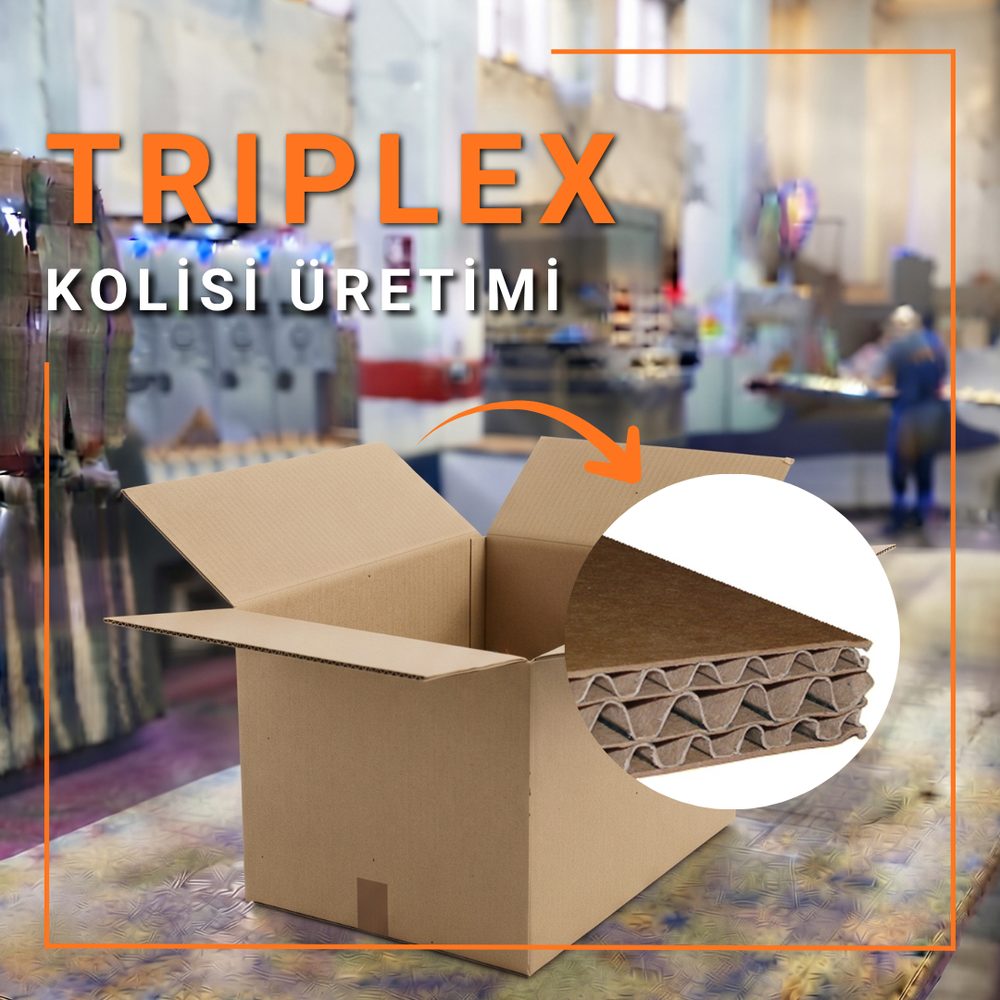
The flute is the wavy layer sandwiched between the flat papers of corrugated board. As FEFCO describes it, corrugated board is made of two sheets of paper called liners, glued with starch to a corrugated inner medium called fluting. This arched structure gives the board rigidity and strength, and the air in the flutes acts as insulation.
During production the paper runs through corrugating rolls that form it into a series of connected arches. According to FEFCO, the flute profile is changed by changing those rolls. So the difference between E, B and C comes down to how tall and how closely spaced the arches are: taller flutes make thicker board, closer flutes make a smoother surface.
What is the difference between single-wall and double-wall board?
Single-wall board has one fluted layer between two liners; double-wall board has two fluted layers and three liners. E, B and C are single-wall flutes, while EB and BC are double-wall combinations of two of them. Double-wall board is thicker and carries more load.
FEFCO notes that double-wall and triple-wall boards are available alongside single wall. In practice, single wall is often enough for courier cartons, die-cut boxes and light-to-medium shipments. Double wall comes in when the product gets heavier, the cartons are stacked high or the journey is long and rough. For very heavy industrial loads, a triple-wall build is the next step, covered in our article on when to use triple-wall cartons.
What is the difference between E, B and C flutes?
E, B and C flutes are ranked by flute height: E is the thinnest, C the thickest and B sits in between. A finer flute gives a smoother print surface and crisper folds. A taller flute cushions impacts better and carries more weight when cartons are stacked.
Here is how all five flute types compare at a glance:
| Flute | Build and thickness | Main strength | Typical use |
|---|---|---|---|
| E | Single wall, thinnest | Smooth print surface, precise cutting and folding | Printed and die-cut product boxes, e-commerce boxes |
| B | Single wall, medium | Balance of thinness and strength | Courier cartons, light and medium shipments |
| C | Single wall, thickest | Better cushioning and stacking strength | Heavier products, cartons stacked high |
| EB | Double wall, relatively thin | Double-wall strength with a smooth outer face | Cartons that need both strength and print |
| BC | Double wall, thickest | Highest strength of the five | Heavy, bulky or long-haul loads |
Thanks to its fine profile, E flute is a common choice for printed boxes and die-cut designs such as an e-commerce box. B flute is a balanced option for everyday shipping cartons. C flute is used when a single-wall board needs more thickness and cushioning.
When should you choose EB or BC double-wall board?
EB and BC double-wall boards are the choice when a single wall cannot cope with the product's weight, the stacking height or the transport conditions. EB pairs a fine E flute with a B flute, adding strength while keeping the outer face fairly smooth. BC combines two taller flutes and offers the highest strength of the five types.
Printing matters too. With EB, having the E flute on the outside usually gives a cleaner print, so EB is often used for cartons that must travel well and also carry branding or product information. BC is the better fit for freight, export and industrial cartons where strength matters more than looks. Monart prints corrugated cartons in 4 and 5 colour flexo, so flute and print are chosen together.
Which flute type is right for my product?
The right flute depends on the product's weight, how many cartons high it will be stacked, how it will be shipped and whether it needs printing. As a starting point: E for light printed products, B for general shipping, C for heavier loads, EB for cartons needing both strength and print, and BC for heavy, demanding shipments.
These questions help narrow it down:
- How heavy is the filled carton, and does the product move inside it?
- How many layers high will the cartons stand in storage or on a pallet?
- Will it go by courier, palletised freight or export?
- Will the carton be printed, and does its shelf appearance matter?
- Is the storage area humid, and will the cartons wait for long?
The same answers shape the choice of box style as well, which we cover in full in our guide on how to choose the right box. If you are still unsure, a sample made with your product shows before mass production whether the flute is strong enough.
Frequently asked questions
What is the difference between E flute and B flute?
E flute is a thinner, more closely spaced single-wall flute than B. Its smoother surface gives better results for printing and precise die-cut boxes. B flute is slightly thicker and offers a balanced mix of thinness and strength for everyday shipping cartons.
Is double-wall board always the better choice?
No. Double-wall board is stronger, but it is also thicker, heavier and usually more expensive. For light products and short trips, single wall is often enough. Double wall makes a real difference with heavy products, tall stacks and long or rough journeys.
Which flute is best for printed cartons?
If print quality comes first, E flute with its smooth surface is a good choice. When a carton must be strong and printed, EB double wall with the E side facing out is a common answer. Thicker flutes have a less even surface, so artwork on them may need to be kept simpler.
Do I need to pick the flute type myself?
No. Share the product's size, the weight of a filled carton, the stacking height, the shipping method and any printing needs, and a suitable flute can be recommended from that. If you want certainty, a sample made in the chosen flute can be tested with your product before mass production.