NOTES01
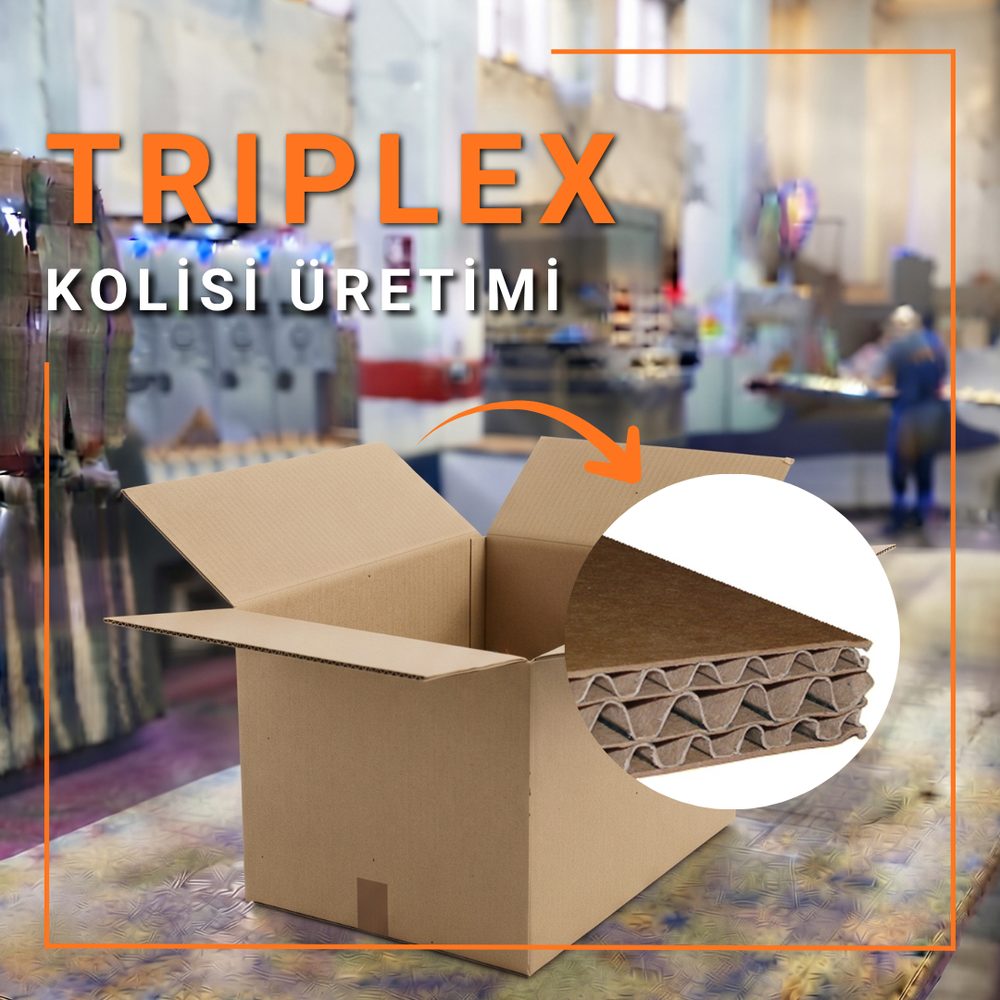
When should you use a triple-wall carton? In short: when the product is heavy, bulky or stacked high, and when the shipment is long, passes through several hands or is headed for export. A triple-wall carton, also called a triplex carton, is made from board with three separate corrugated layers and comes in where single-wall and double-wall cartons fall short.
This guide covers what a triple-wall carton is, which loads actually need one, how it compares with a double-wall carton and what information to prepare before ordering. To see the wider range of regular slotted cartons, take a look at our standard A box cartons page.
What is a triple-wall carton and how is it different?
A triple-wall carton is a box made from triple-wall corrugated board. According to FEFCO, the European federation of corrugated board manufacturers, a corrugator combines three, five or seven sheets of paper to produce single-wall, double-wall or triple-wall board. Triple-wall is the seven-sheet, thickest member of that family.
Each corrugated layer is a fluted medium held between flat liners. Every extra layer makes the board thicker and more resistant to vertical compression, impact and puncture. The trade-off is a heavier carton that is harder to fold and uses more material. That is why triple-wall should be reserved for loads that genuinely need the extra strength rather than used across the board.
Which loads and shipments need a triple-wall carton?
Triple-wall cartons are needed for heavy and dense products, high pallet stacks, loads that sit in storage for long periods and shipments with many transfers or export legs. In each case the carton must carry its contents and the weight above it for a long time. Light products on short routes rarely need it.
In practice, triple-wall cartons are most often called for in these situations:
- Heavy industrial goods: machine parts, metal components, motors and spare part assemblies.
- Dense or bulk products: large cartons carrying granules, powders or loose raw materials.
- High stacking: loads that wait in the warehouse as several pallets stacked on top of each other.
- Long, multi-leg routes: export shipments handled repeatedly between road, sea and warehouse.
- Large single items: packs shipped together with a pallet, which in some applications are considered instead of a wooden crate.
When should you choose triple-wall over double-wall?
If a double-wall carton (EB or BC flute) carries the product and the stack safely, there is no need for triple-wall. Move up when double-wall cartons show crushed corners, bulging panels or collapsing stacks, or when the load and route carry that risk from the start. Decide on product data and a sample, not guesswork.
| Board | Paper sheets | Example flutes | Typical use |
|---|---|---|---|
| Single-wall | 3 | E, B, C | Light and medium-weight products, courier, retail and e-commerce shipments |
| Double-wall | 5 | EB, BC | Heavier products, palletised shipments, moderate stacking |
| Triple-wall (triplex) | 7 | Defined per project | Very heavy or bulky loads, high stacking, long multi-leg routes |
For a closer look at how flutes differ, see our guide to E, B, C, EB and BC flutes. The same logic applies inside a triple-wall board: finer flutes give a smoother surface for print, while larger flutes add cushioning and stacking strength.
What should you prepare before ordering triple-wall cartons?
To specify the right triple-wall carton, you need the product's exact dimensions and weight, the number of units per carton, the pallet pattern, the stacking height, the shipping route and the storage conditions. These decide the flute build, paper grade, cut and closure. Missing information leads to a box that is too weak or heavier than necessary.
- Product dimensions and the weight of a single item or the full carton
- Whether the carton is moved by hand, pallet truck or forklift
- Pallet size, cartons per pallet and how many levels are stacked in storage
- Route: domestic or export, container use and number of transfers
- Humidity in storage and in transit, and how long the load will wait
- Print requirements: logo, handling marks and product information
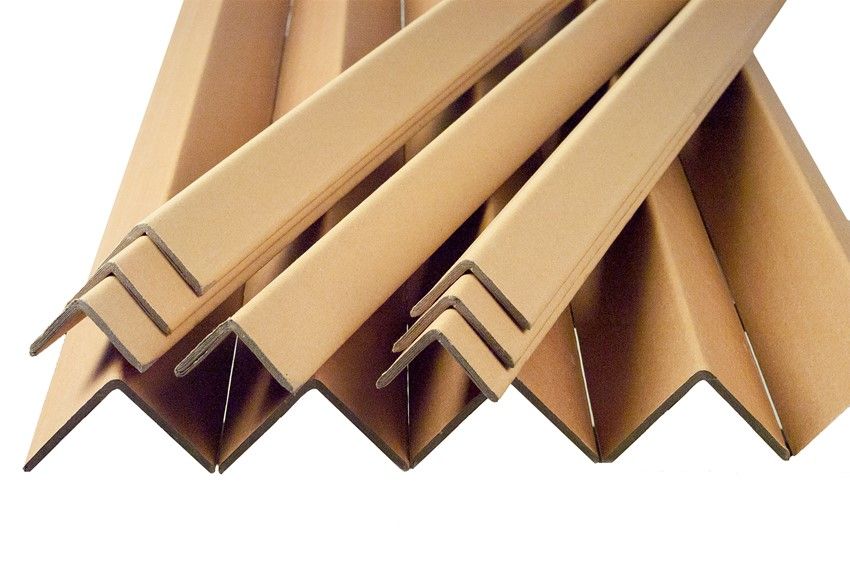
With heavy loads the carton never works alone. Combined with cardboard edge protectors, strapping and stretch film that reinforce carton corners and pallet edges, the stack stays far more stable.
How is the strength of a triple-wall carton verified?
The strength of a triple-wall carton is verified with standard tests on the board and the finished box, and with a sample made around the real product. FEFCO's testing methods include edgewise crush and bursting strength for the board, and compression resistance, drop and vibration tests for the packaging. These results are a firmer basis than catalogue claims.
Compression strength does not depend on the board alone. Carton dimensions, flute direction, flap style and how the cartons sit on each other in the stack all change the outcome. Humidity matters too, because corrugated board can lose strength in damp conditions. The same triple-wall board can therefore perform differently at different sizes and in different conditions, and no single load figure applies to every product.
How does Monart produce triple-wall cartons?
Monart produces triple-wall cartons to each customer's product dimensions, weight and shipping conditions at its own facility in the Istanbul Tuzla Leather Organised Industrial Zone. Dimensions and structure can be checked with a sample before the order. Cartons are finished by die-cutting, stitching or gluing, flexo printed where needed and delivered across Turkey.
You can see example applications on our triple-wall carton product page. Whether your product needs triple-wall or whether double-wall is enough becomes clear from the information above and a sample.
Frequently asked questions
How many paper layers does a triple-wall carton have?
According to FEFCO, triple-wall board is made from seven sheets of paper. Three of them are fluted mediums and four are flat liners covering the outside and separating the flutes. For comparison, single-wall board uses three sheets and double-wall board uses five.
What is the difference between double-wall and triple-wall cartons?
A double-wall carton has two corrugated layers and a triple-wall carton has three. Triple-wall is thicker and better at resisting compression, impact and stacking loads, but it is heavier and uses more material. If a double-wall carton carries the load safely, there is no reason to move up.
How much weight can a triple-wall carton hold?
There is no single weight figure that fits every triple-wall carton. Strength depends on the paper grade, carton size, flap style, stacking pattern, humidity and storage time. The right value should be confirmed with a sample built around the product and standard tests such as compression resistance.
Are triple-wall cartons moisture resistant?
Triple-wall cartons are still corrugated board, so they are affected by moisture and can lose strength in damp conditions. The thicker build gives more margin but does not remove the risk. Tell your manufacturer about warehouse humidity, container conditions and storage time before ordering.