NOTES01
E-commerce packaging shapes the customer experience the moment an order reaches the door: the box's size, strength and the way it opens are the customer's first physical contact with your brand. Unlike packaging on a store shelf, an e-commerce box has to work as shipping protection and as a presentation surface at the same time.
That is why choosing a box for online orders comes down to two questions: will the product survive the parcel network undamaged, and what will the customer see when they open it? Self-locking, print-ready die-cut boxes are a common way to meet both needs, but there is no single right answer for every product or order volume.
What is the difference between an e-commerce box and a shipping carton?
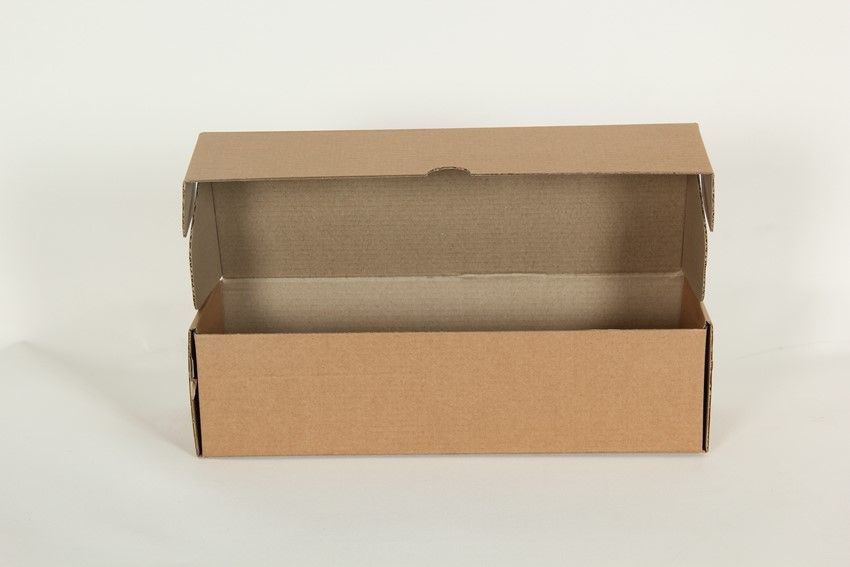
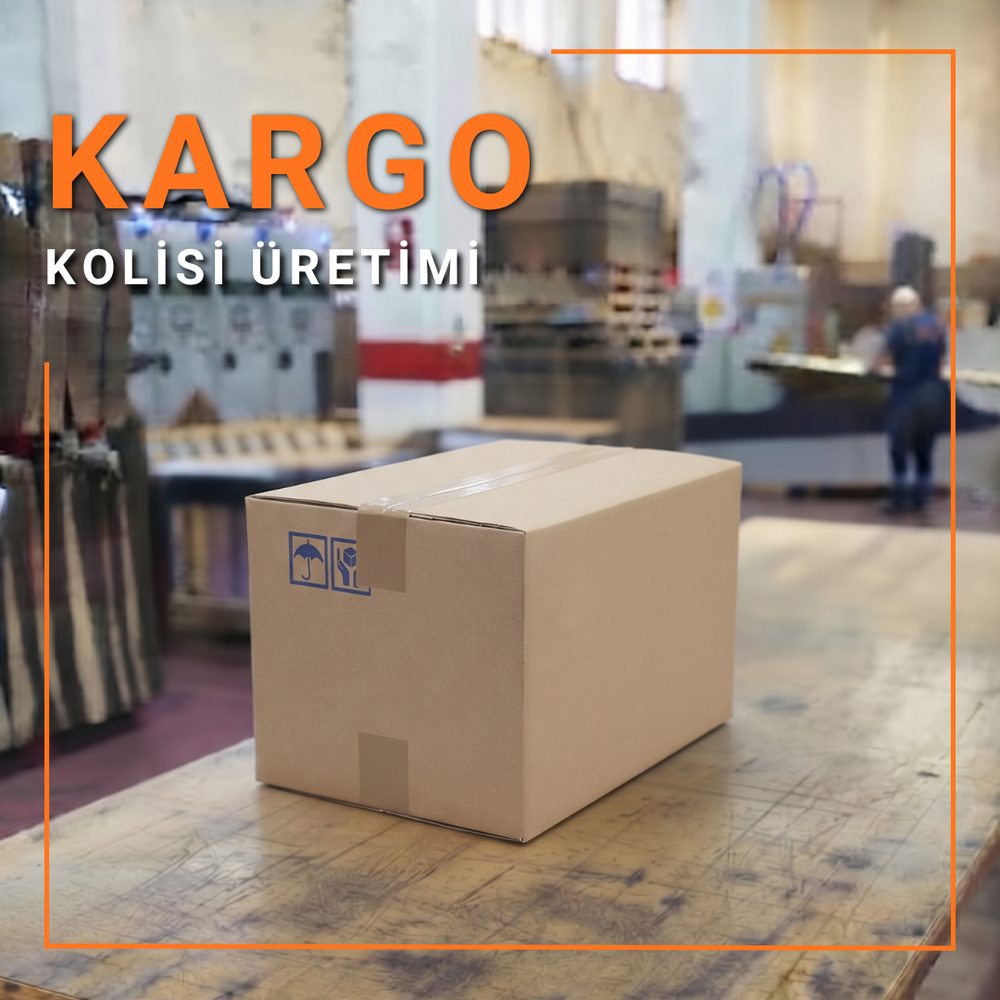
An e-commerce box is usually a one-piece die-cut box with a locking lid and a print-ready outer surface, designed to be opened in the customer's hands. A shipping carton is usually an A-box (regular slotted) style, taped shut and built mainly for transport. The choice depends on product size, order volume and how visible you want the brand to be.
Box styles are defined internationally by the FEFCO Code, published by the European Federation of Corrugated Board Manufacturers; its 12th edition adds a new series for retail and e-commerce. The table below compares three common options:
| Feature | E-commerce box (die-cut) | Shipping carton (A-box) | Ready-size carton |
|---|---|---|---|
| Closure | Locking lid, little or no tape | Taped | Taped |
| Opening experience | Controlled, presentation-ready | Functional | Functional |
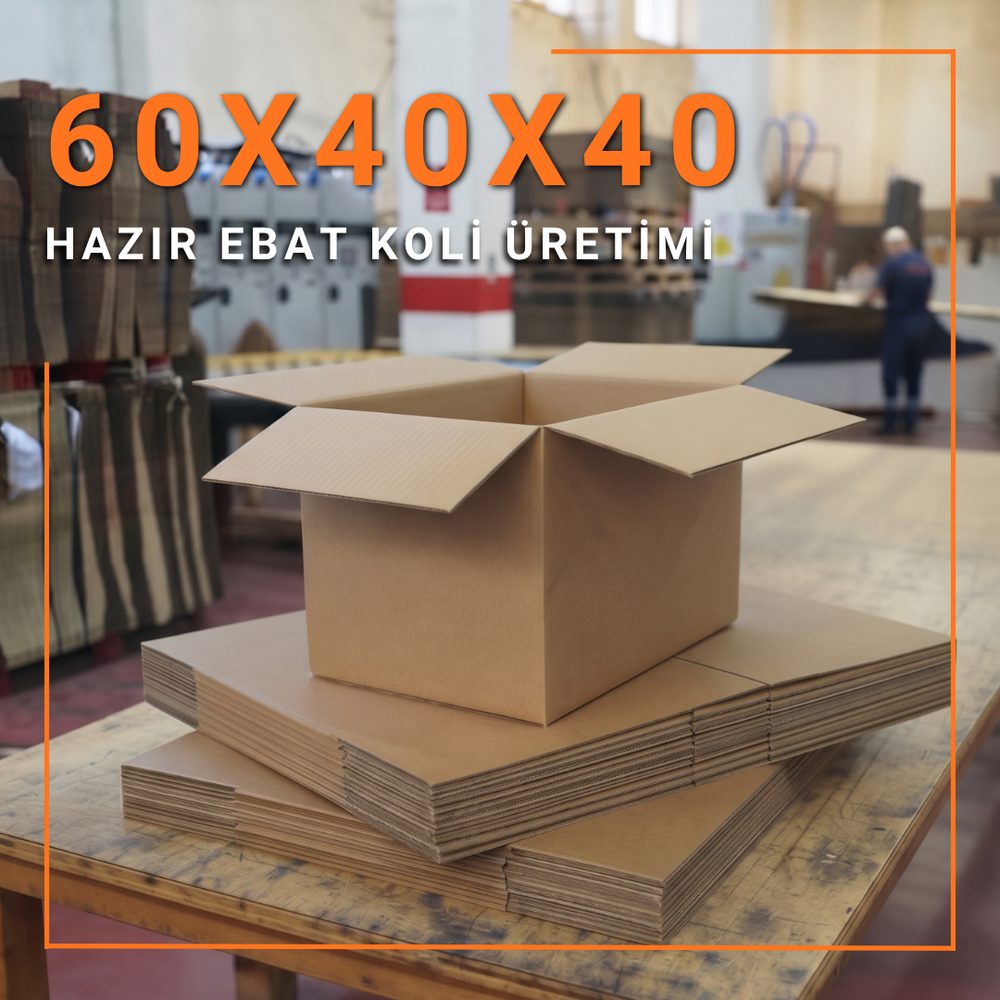
| Size | Made to fit the product | Made to fit the product | Fixed: 60x40x40 cm |
| Best suited to | Brand visibility matters, product sizes are stable | Many sizes, high-volume shipping | Quick supply from stock when the product fits |
Monart's range includes the e-commerce box, the shipping carton and a stocked 60x40x40 cm ready-size carton, so one online store can use different structures for different product groups.
How do you size an e-commerce box for your product?
Box size is taken from the packed product, inner protection included, not from the bare item. Add the allowance for dividers, corner protectors or foam to the product's length, width and height, and give the result as inside dimensions. A product that cannot move inside the box needs less void fill and is less likely to be damaged.
Working through the measurements in this order saves back-and-forth:
- Measure the product at its widest, including handles, its own retail pack and accessories.
- Add the space required for inner protection.
- Specify inside dimensions; the outside dimensions change with the thickness of the chosen flute.
- Note the total packed weight and how many items go in one box.
- Test the real product in a sample box before mass production.
If you ship a wide catalogue, a small family of box sizes that groups similar products usually keeps the warehouse and the packing bench more organised than a separate box for every item.
Which flute should you choose for parcel shipping?
Choose the flute according to the parcel's weight and the impacts and stacking loads it will meet in the carrier network. For light, presentation-led products, thin E flute gives a smooth print surface; heavier or fragile shipments benefit from B or C flute, or double-wall EB and BC constructions. The final decision should be confirmed on a physical sample.
Our article on corrugated flute types explains the differences in detail. Brands that want to test parcel performance systematically can look at the International Safe Transit Association (ISTA): its ISTA 3A procedure simulates parcel delivery for individual packages of 70 kg (150 lb) or less, and ISTA also publishes procedures for products shipped into e-commerce fulfilment centres.
How can you improve the unboxing experience?
A better unboxing experience means a box that opens without scissors or a knife, a product that looks neat and stays in place at first sight, and no loose fill spilling out. A locking lid, a die-cut insert that holds the product steady, and a simple message visible when the lid opens all serve that goal directly.
In categories with frequent returns, being able to close the box a second time is part of the experience too. If the customer can send the item back in the same box, the return is easier and no extra packaging is needed. Self-locking die-cut boxes handle this better than taped cartons, although heavier products may still need a label or a strip of tape to secure the closure.
How should you plan print on an e-commerce box?
Plan print around how the box will look in transit and in the customer's hands. A clean flexo print with the logo and a few key details on the outside is enough for most shipments; products that need detailed images or colour gradients can use offset-printed boxes. Leave a clear area for the shipping label in the artwork.
For valuable goods, avoiding graphics that reveal the contents on the outside is also sensible from a security point of view. Since 2002, Monart has run 4- and 5-colour flexo printing, offset-printed boxes, die-cutting, stitching and gluing in its own facility in Tuzla, Istanbul. Boxes are made to the customer's dimensions, weight and shipping conditions, and size and structure can be confirmed with a sample before production.
Frequently asked questions
Can an e-commerce box close without tape?
Die-cut e-commerce boxes designed with a locking lid can close without tape. For heavier products or long parcel journeys, though, the closure may need a label or a strip of tape as backup. The most reliable way to decide is to fill a sample box with the real product and test the closure.
Can a ready-size carton be used for e-commerce orders?
If your product, inner protection included, fits a 60x40x40 cm carton without leaving gaps, the stocked ready-size carton is a practical option for quick supply. If the product moves around inside, you will need more void fill and the unboxing suffers; a box sized to the product is the better choice then.
What information do I need for an e-commerce box quote?
Prepare the length, width and height of the product with its inner protection, the packed weight, how many items go in one box, the expected order quantity, your print requirements, and whether shipments travel by parcel carrier or freight. With this, a flute and box style can be proposed and then confirmed with a sample.
How do you test whether an e-commerce box will survive shipping?
Start by using a sample box filled with the real product in a few trial shipments. Brands that want a more systematic method can use ISTA's parcel-delivery simulation procedures; ISTA 3A, for example, covers individual packages of 70 kg (150 lb) or less shipped through a parcel delivery system.